


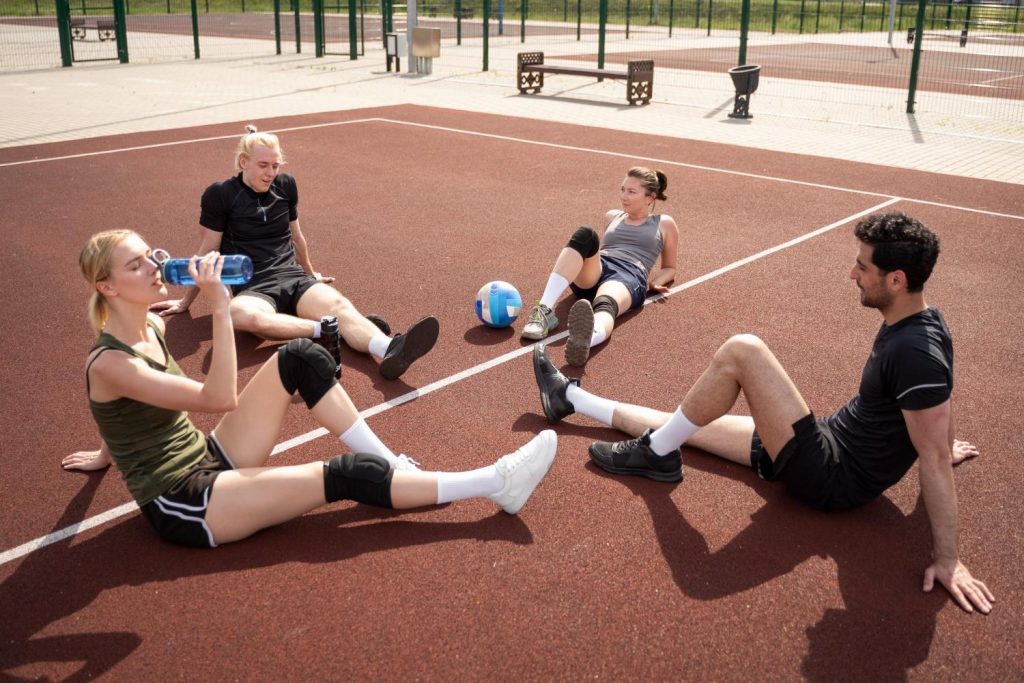
Professional volleyball is often viewed through the lens of competition: powerful spikes, perfectly timed blocks, and dramatic rallies that keep fans on the edge of their seats. Yet behind every match is a demanding lifestyle that extends far beyond the court. For professional and semi-professional volleyball players, managing recovery, travel, and downtime is essential for maintaining both performance and longevity in the sport.
Between tournaments, training sessions, and international travel, athletes must carefully balance intense physical preparation with periods of rest and relaxation. The off-court life of volleyball players reveals how recovery strategies, travel routines, and leisure activities all contribute to long-term success.
The Physical Demands of Volleyball
Volleyball may appear graceful, but it places enormous stress on the body. Players repeatedly jump, land, sprint, and dive during matches and practices. These movements require explosive strength and precise coordination, especially for positions such as outside hitters and middle blockers who perform dozens of jumps during a single match.
Over time, this repetitive strain can affect joints, muscles, and connective tissues. Knees, ankles, and shoulders are particularly vulnerable due to the sport’s dynamic movements.
Because of these demands, recovery becomes just as important as training. Athletes who neglect recovery often experience fatigue, decreased performance, and a higher risk of injury.
The Importance of Structured Recovery
Modern volleyball programs increasingly emphasize structured recovery routines. Rather than simply resting between practices, players often follow carefully planned strategies designed to help the body repair itself.
These routines may include:
- Stretching and mobility exercises
- Cold or contrast water therapy
- Massage or physiotherapy
- Proper hydration and nutrition
- Sleep optimization
According to research and athlete guidance shared by the International Olympic Committee, recovery plays a critical role in athletic performance. Adequate rest allows muscles to rebuild and helps prevent overtraining, which can lead to injury or burnout.
For volleyball players competing in long seasons, recovery habits can make the difference between peak performance and chronic fatigue.
Life on the Road
Travel is another defining aspect of a volleyball player’s lifestyle. Professional leagues and international competitions often require athletes to move frequently between cities or countries.
Long flights, unfamiliar hotels, and changing time zones can disrupt normal routines. Maintaining fitness and focus while traveling requires discipline and adaptability.
Many teams travel with support staff who help manage logistics, nutrition, and recovery during trips. Players may also bring personal recovery tools such as foam rollers or resistance bands to maintain conditioning between matches.
Despite the challenges, travel also offers unique experiences. Athletes have the opportunity to visit new places, explore different cultures, and connect with fans around the world.
For many players, these experiences are among the most rewarding aspects of a professional sports career.
Managing Mental Recovery
Physical recovery is only one part of the equation. High-level competition also places significant psychological pressure on athletes.
Matches often come down to a few critical points, and the intensity of competition can create emotional highs and lows. Maintaining mental balance is essential for sustaining performance over long seasons.
Players frequently use mental recovery techniques such as mindfulness, meditation, or visualization to stay focused and calm. Some teams also work with sports psychologists to help athletes manage stress and maintain confidence.
These strategies help players reset mentally between matches and remain prepared for the next challenge.
Downtime Between Matches
Although volleyball schedules can be demanding, players still need moments of relaxation. Downtime between matches or during travel days allows athletes to recharge and maintain a healthy balance between competition and personal life.
Some players enjoy simple activities such as reading, watching movies, or exploring local restaurants when traveling. Others spend time connecting with family and friends through video calls, using quiet moments in hotel rooms or airports to stay in touch with people back home.
Entertainment and casual games can also provide a mental break from the intensity of training. With long bus rides, flights, and evenings in hotels becoming a regular part of professional sports schedules, many athletes turn to mobile entertainment that can be accessed quickly without requiring long time commitments. Short-form digital games, in particular, fit well into these small windows of downtime.
Because these games can be played in brief sessions on a phone or tablet, some athletes occasionally scroll through online entertainment during travel downtime. A quick look at MrQ casino might offer a few minutes of simple slot play while waiting for team meetings, recovery sessions, or transport to the next venue. Since slot-style games are designed to be quick and easy to start or pause, they fit naturally into the short breaks that often appear throughout a busy matchday schedule.
Team Bonding and Social Activities
Team chemistry plays a significant role in volleyball success. Because the sport requires constant coordination and communication, players benefit from building strong relationships off the court as well.
Many teams organize group activities during travel or off-days. Team dinners, sightseeing trips, and informal gatherings help strengthen connections between players.
These shared experiences often translate into better communication and trust during matches. When players understand each other personally, they are more likely to anticipate movements and react effectively during fast-paced rallies.
Strong team culture can be just as valuable as technical skill.
Balancing Discipline and Lifestyle

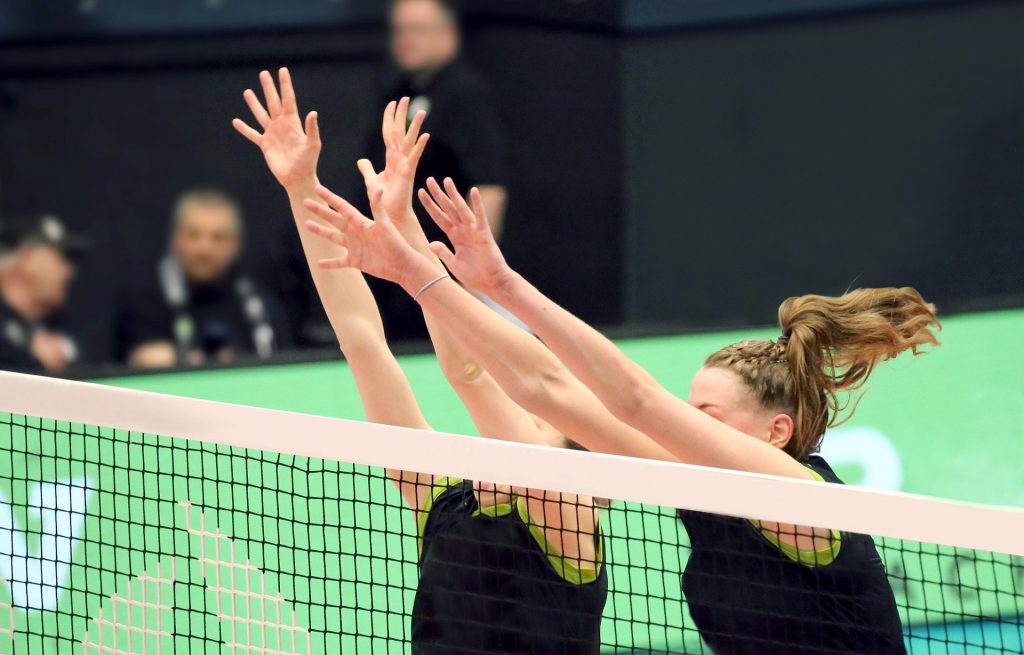
Professional athletes must constantly balance discipline with personal wellbeing. Strict training schedules and nutritional plans are necessary to maintain performance, but athletes also need space to enjoy their lives outside the sport.
Volleyball players often develop routines that allow them to maintain structure while still embracing personal interests. Some pursue hobbies such as music, photography, or language learning while traveling. Others focus on education or business ventures that prepare them for life after their athletic careers.
Maintaining this balance helps athletes remain motivated and mentally refreshed throughout demanding seasons.
Preparing for the Next Match
Even during periods of relaxation, volleyball players remain focused on the next challenge. Recovery sessions, video analysis, and light training often fill the days leading up to matches.
Coaches analyze opponents’ strategies while players refine technical details and maintain conditioning.
This combination of preparation and recovery ensures that athletes enter each match physically ready and mentally focused.
The Hidden Side of Volleyball
For fans watching from the stands or on television, volleyball appears as a fast-paced, thrilling sport defined by athletic skill. But behind the scenes lies a carefully balanced lifestyle built around recovery, travel, and personal wellbeing.
Professional players understand that success depends not only on what happens during the match but also on how they care for their bodies and minds between competitions.
From structured recovery routines to moments of relaxation and team bonding, the off-court life of volleyball athletes plays a vital role in sustaining their performance.
In many ways, these unseen aspects of the sport are what allow players to step onto the court ready to perform at their very best.