
I still remember signing my first professional contract. It didn’t feel real. After years of hard work, sacrifice, and just getting by, I thought I had finally made it. But what I didn’t understand back then is that earning money and building wealth are two completely different things.
Money comes from what you do on the field. Wealth comes from what you do off it—how you think, how you manage it, and how you prepare for a future that can come faster than expected. Because the reality is simple: every athlete’s career has an expiration date. It might be long, it might be short, but it always ends.
A lot of athletes run into trouble not because they didn’t earn enough, but because they never learned how to handle what they earned. The money comes quickly, but there’s little guidance on what to do with it. At the same time, there’s pressure from family, friends, and people from the past who suddenly expect support. And when everything is going well, it’s easy to believe the income will never stop.
I remember sitting with a professional athlete who showed me a list of people asking him for money, real money. It wasn’t just a few names. It was dozens. That’s when it becomes clear: income is temporary, but expectations aren’t.
The biggest shift an athlete can make is to stop thinking only as a player and start thinking like a business. You are your own brand. Your income is revenue. Your lifestyle is an expense. And your future depends on how well you manage both. When you see things that way, your decisions change. It’s no longer about whether you can afford something, but whether it makes sense long term.
One simple way to stay in control is to create structure. Divide your money into three parts: one for everyday life, one for the future, and one for safety. The first covers your normal expenses. The second is where you build wealth by saving and investing consistently. The third protects you when life doesn’t go as planned. Once this is set up and automated, things become much easier because you’re not relying on willpower every month.
Investing is another area where many athletes hesitate. They wait for a bigger contract or more stability, but that moment keeps moving. The truth is, starting small is better than not starting at all. Time matters more than the amount in the beginning. Just like training, you improve step by step.
Automation helps a lot. If you move money into savings and investments as soon as you get paid, you remove the temptation to spend it. Then, every few months, take a step back and review where you stand. Adjust if needed, but stay consistent.
I’ve seen athletes lose everything after one bad decision, and I’ve seen others with much less walk away financially secure and at peace. The difference was never talent. It was awareness, discipline, and humility.
If you want to start, keep it simple. Set up your accounts, save regularly, build an emergency fund, and invest consistently. You don’t need to be perfect—you just need to be intentional.
A career in sport can change your life, but what you do with that opportunity determines your future. In the end, the real win isn’t just what you achieve during your career, but the freedom and security you create after it’s over.
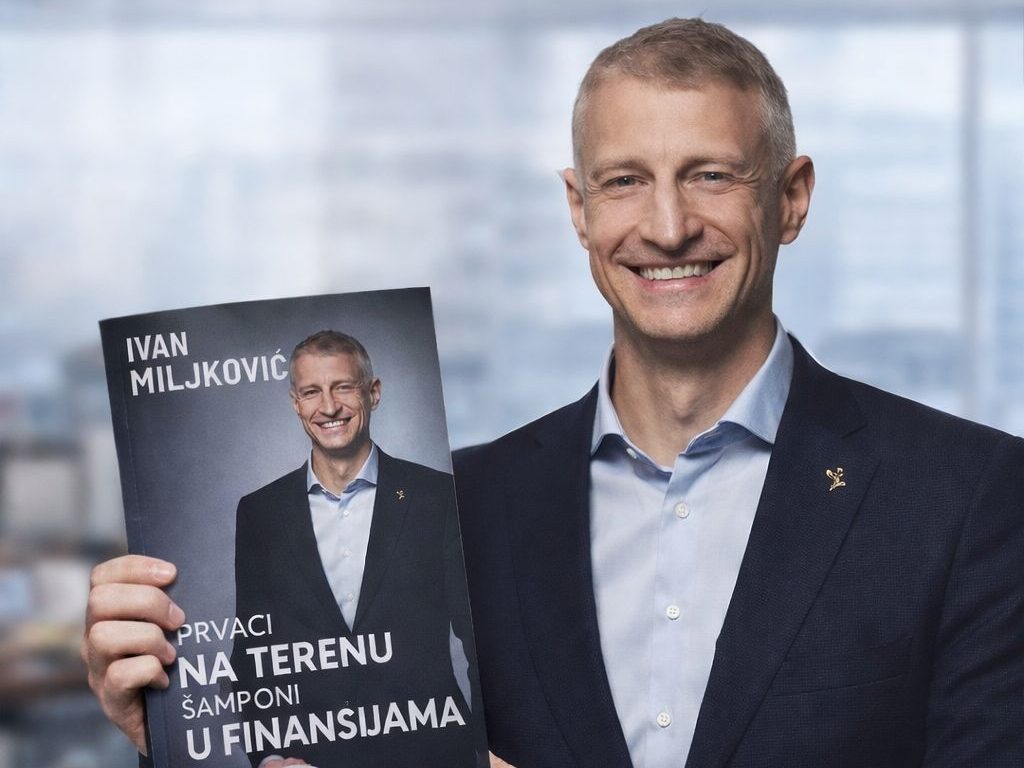
Ivan Miljković knows that world. After years at the top of volleyball, he now shares the lessons most athletes never get taught: how to protect your money and your peace. Ivan wrote Prvaci na terenu, šampioni u finansijama (Winners on the Field, Champions in Finance). After retiring, he started collecting notes in his phone, mistakes, truths, and real conversations athletes rarely talk about publicly. Over time, he kept hearing the same question from athletes and families:
“Why has nobody ever told us this?”
So he wrote it down, practical, straightforward financial guidance built for athletes, parents, and anyone facing sudden money for the first time. The English edition is coming soon, with wider availability planned.
